It’s a fool’s errand to write in-depth about what hip-hop means to me over a span of 50 years. I could write about the prose and how hip-hop is used as a piece of social resistance in the US and around the world. I can speak on how hip-hop has become more business-oriented and commodified. We hold the MC in high regard, but forget the major pillars of hip-hop from beatboxing, graffiti, and aspects of DJ/turntablism. I can speak on how Hip-Hop has given great joy of parties and community while being mindful of misogyny misogynoir, homophobia, and transphobia that can permeate.
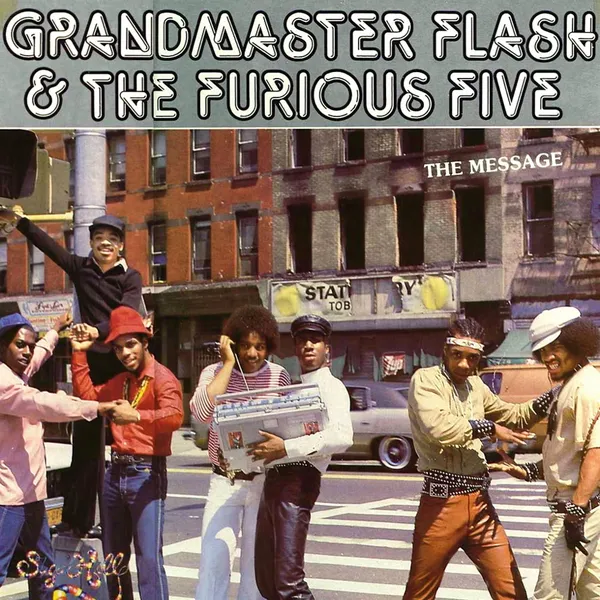
With all the retrospectives, articles, podcasts, tours, music lists, and concerts at awards shows and festivals this year commemorating 50 years, what has been missing in the celebration is a discussion of how everyday people have been molded and changed by the music as a means of inspiration and motivation. To phrase the Notorious B.I.G “They never really thought Hip-Hop could take it this far”. What started as Block Parties within Black, Caribbean, and Puerto Rican neighborhoods within The Bronx borough of New York City, has become a multi-billion dollar business that has created stars, made legends, and utilized as a business tool selling everything from McDonald’s and cereal to being the face of political campaigns much to the ire of the very same rappers that performed the music.
We can spend days learning all aspects of what the given “Culture” at large has done from language, and fashion, to sampling. But I want to take a personal approach and story. Hip-Hop for me, has been in my life from the highest and most innocent days to my lowest nights. I want to talk about how hip-hop has challenged and molded me to become the man I am today.
It’s taught me how to have fun, to dish and be served jokes, to be brash and build confidence, and to be challenged by others to build and rebuild after taking hits facing rejection, taking risks, and moving forward in more ways than one.
Back in my high school days, say my freshmen year at 14, I remember being in a Spanish class where we listened to different genres of music while working on questions from different Spanish course workbooks. A lot of times my Spanish teacher and my class peers offered suggestions for the class soundtrack. We got to hear Country stalwart Alan Jackson to the brash scene sounds of the Crunkcore duo 3OH!3, Reminded a lot of times that when someone suggested playing a clean version of Lil Wayne a lot of students were making comments about not being fans of hip-hop stating rap was crap and if you want to make real music throw out the rapper (yeah I know).
We all make claims of what completely deriding music we may not not, but often we have not been fully exposed to music we may not like. Often music stereotyping of a whole music scene becomes our reference point and puts rose-colored glasses putting up walls to music we are not familiar with. People who are not rap fans may not like Lil Wayne or Kanye West but are just putting up walls against a whole genre of music and are not able to be exposed to artists such as The Roots, MF Doom, or Atmosphere. The same train of thought can be used by fans of Backpack or Conscious Rap. People who may love Mos Def/Yassin Bey or Killer Mike and Run the Jewels don’t do themselves any services not being exposed to the likes of Migos, Ludacris, or even Lil B to name a few mainstream or rappers of notoriety may nothave overall support from the Hip-Hop community at large.
I can’t blame the students I was in class with for not liking hip-hop when I remember what rap music was on the radio in 2008-2009 outside of Lil Wayne and Kanye West. While blogs and mixtapes from the likes of Freddie Gibbs, Nicki Minaj, and Gucci Mane were becoming popular, radio had a lot of Dance pop-rap hits from Flo Rida, Soulja Boy, and the Black Eyed Peas. As one becomes older, radio hits remain on the brain for nostalgia value but listeners will always appreciate finding gems in hip-hop beyond the radio and music videos. Discovering more beyond the mainstream was my story as well. For a stretch of time from 2007-2008 I listened to rap more than likely taking what I got from seeing Nas’s Hip-Hop is Dead music video on BET Rap City and thinking rap got so commercialized and misogynistic that I turned away at 13-14 (dare I say for a few months before high school). Until I started hearing what my cousins and friends were listening to (it was a lot of Datpiff mixtapes in friends’ basements and Lil Wayne)
Over time, Hip-hop meant more than stories of opulence and conquest as people perceive the genre. it taught me a lot about how to stand in the face of fear, how to love, and how to mourn.
Constantly reminded every day of the song Runnin’ by The Pharcyde and how it plays in my life..
“There comes a time in every man’s life where he’s gotta handle s*** up on his own, can’t depend on friends to help you in a squeeze, Please they got problems on their own.”
The Pharcyde Runnin
In essence, there comes a time to rely to face your problems and fears without running to others for help. Not to say you can’t rely on your support system to face your problem for assistance despite going in scared. It is the knowledge of facing the unknown head one and persevering through it. It’s amazing how this song translates the human feel of navigating courage in the face of fear. The song confronts the bullying feeling trapped with no escape and taking time to rely on your own will knowing you will be okay in life’s toughest moments.
Hip-hop and rap taught me how to mourn and reflect. I go back often to the Bone Thugs N Harmony track Tha Crossroads. To learn the souls of friends and family live on even after they leave the physics realm but it’s powerful to remember them. As I’ve gotten older songs such as Master P’s I Miss My Homies, Beenie Seigel Feel It In the Air, Scarface Now Feel Ya Lauryn Hill Nothing Really Matters show me different life experiences of being of standing in the face of fear, nostalgia for past experiences and people and the lessons are a guide on how to move forward. Songs such as Common’s The Light and J Dilla’s swan song album Donuts carry vivid imagery of how to love others and live in the moment cherishing the people you are around however fleeting and short that time may me. A song that captures the struggle to continue growing despite hard moments I have been going to often over this past year is UK rapper Little Simz Who Really Cares which is a promise of long days and long nights things will turn out for the best.
“Every day is a hustle through the pain and the struggle
Little Simz Ft. Cleo Sol Who Really Cares
Don’t break, it’ll be OK.”
Everyone makes rap their own based on their canvas. As I become older and growing with Hip-Hop, I am making peace with people using the genre to paint their worldview. From the drill sounds of the Bronx and Brooklyn, the trap beats of Atlanta, the fast punchy taunts heard in Detroit rap, the bass bounces over slowed drawls found in Miami and New Orleans rappers, the Chopped and Screwed sounds of Houston, the lyrical piety in Christian rap to the laid-back lyrics of G-Funk Hip-Hop is used to whatever devices by the artist for their own purpose to touch their respective audience. From the futuristic philosophy of OutKast, the ironic realism of Vince Staples, to the leave your man lyrics of the City Girls, Doja Cat’s boastful flirts, to the flowery opulence of Tyler the Creator, there are different lanes and doors for new and old rap fans to step into no matter the era or region.
Hip-hop at 50 years old is at an inevitable generation gap. As artists such as Sexxy Red, Lil Uzi Vert, Glorilla, Doja Cat, Babytron, Coi Leray, Yeat, NBA Youngboy, and Jack Harlow are popular among young fans there seems to be a growing frustration among older hip-hop fans of the declining quality of lyricism with the changing definition and skills of what a rapper in this moment than back in 1987, 1992, or 2002. We see the memes and TikToks of mumble rappers, and young rappers drawing ire among older rap fans. Sure it does take digging for music discovery but in the last decade a whole set of rappers such as Noname, Mick Jenkins, Saba, Denzel Curry, the Griselda Crew (Benny the Butcher, Conway, Westside Gunn), J.I.D., have gained prominence among old and new rap fans.
As a nearing 30-year-old rap fan who just bought a De La Soul T-Shirt, a 16-year-old in 2023 may not come across KRS-One or Rakim organically by putting Golden Age Hip-Hop in Rap Caviar-esque playlist on Spotify. There has to be a sharing of music among hip-hop old and new generations. As hip-hop goes another 50 years, regional trends and dialogue styles will come and go and mutate become buried, and will be revived again but the one thing that will remain persistent is the lessons in living and growing through the music with the initial message of persistence and confidence in a society from housing, and income insecurity. In essence, the music makes you wonder how you keep from going under.

 The Typecaster