For several months, I have allowed myself to embrace the nostalgia of music from my time in high school in the early 2010s. Artists I typically derided, such as Black Eyed Peas and Pitbull, I have newfound joy and reminisce as I grew into becoming a music lover. All the music on the radio at the time, I eschewed thinking it was too mainstream and brain-dead to enjoy. This led me to discover music through magazines, blogs such as Pitchfork, on the greater internet back in high school.
At this time, I got into Rap and R&B on a deeper level as artists such as Lil Wayne and The Weeknd became more popular by releasing music online.
In the past year, both aforementioned artists have put out new projects, which have recently made me reflect back on a closed chapter within my life where I had a friendship flourish while discovering new music and growing as a rap fan.
This era was defined by exchanging MP3s and USBs in friends’ basements in search of the next song that would be a certified “Hood Classic”. Closed off from the sunlight upstairs, encased in concrete and wood, the pool table and boombox sculpting the ambiance along with random YouTube videos playing in the background. This was the opening salvo in my growing friendship and the beginning of my rap fandom.
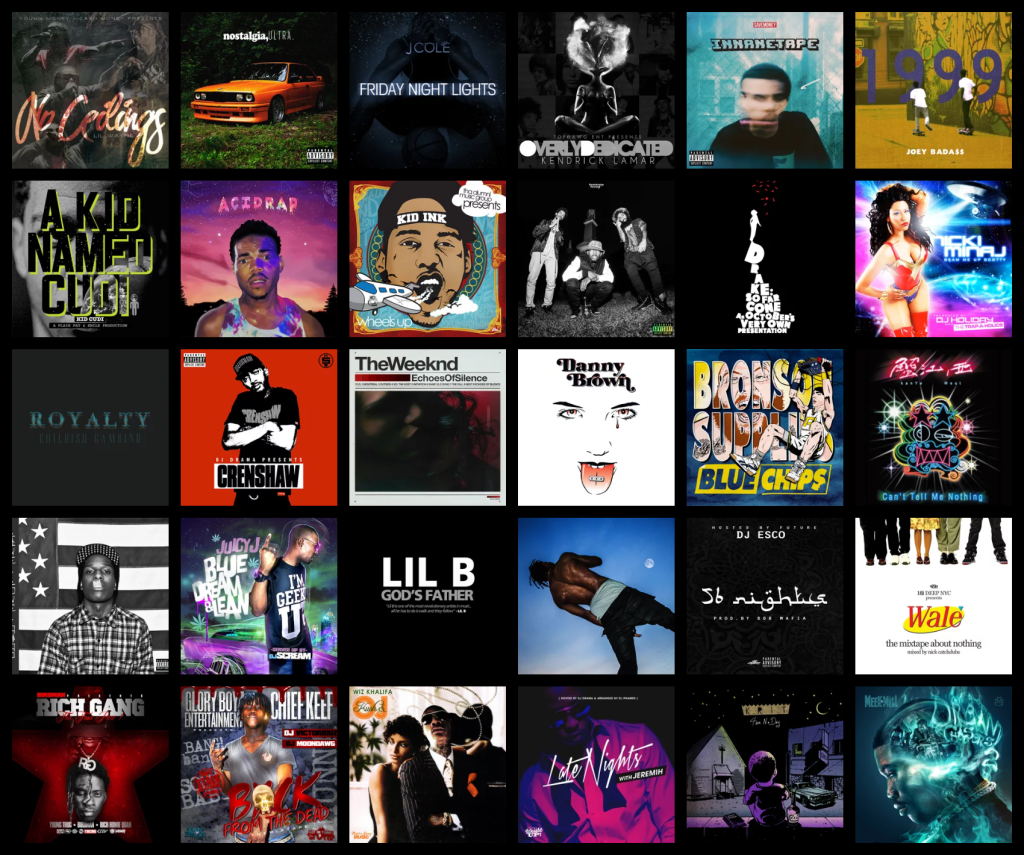
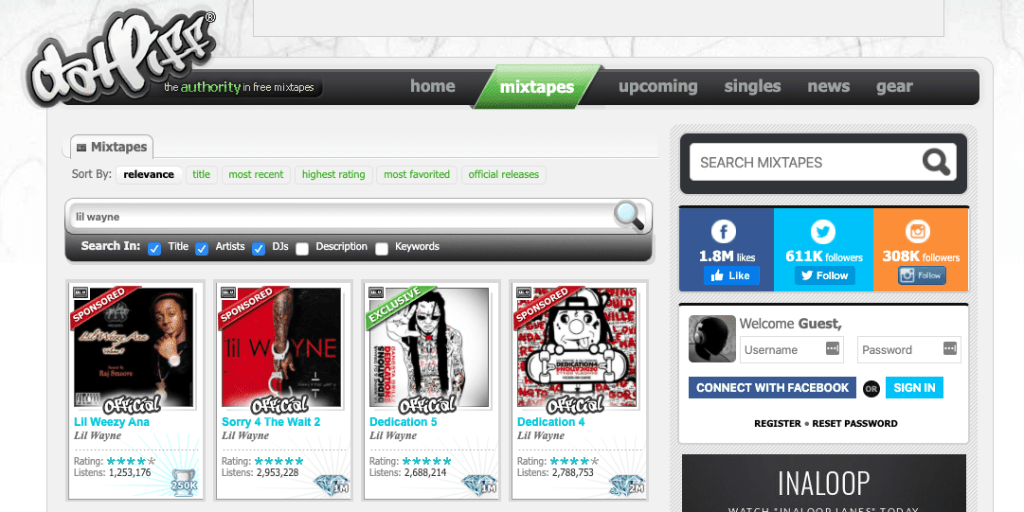
When I was 15 or 16, I spent my time in basements, on desktop computers and hulking laptops, talking about rap music and watching YouTube videos. Sharing what MP3s had the most heat and editing all the downloads into iTunes. In that time before streaming, I could not wait to edit my MP3 files to sync on my iPod Touch. I thought of myself as a rap fan, but my love grew by downloading music with a close friend through a website called Datpiff.
My friend John and I spent time after school, on weekends, and during summer days on DatPiff, talking about rap music. Back in the mid-2000s up until the mid-2010s, rappers on a full clip released free music often to meet the needs of hungry fans salivating for new music before official albums dropped or before an artist signed to a recording deal to make an official album debut.
“Mixtapes” on Datpiff and other sites on the web provided a collection of unreleased songs, freestyles, and filler tracks to act as new music to hold over fans until future projects were released. As one would compile batches of assorted songs from the radio and name it a mixtape, rappers would rapidly record multiple songs that may find their way on a mixtape hosted on Datpiff or a similar mixtape website. Ready-to-download for consumption in zip files and MP3s of varying audio quality.
Mixtapes, in the traditional sense, are not official albums. Mixtapes at their core consisted of songs that most rappers and groups could not clear because of sample copyright issues. Rappers would just freestyle over an instrumental of a popular song on the radio and have a handful of these similar tracks to make a full mixtape to upload online. Take Lil Wayne in 2006-2007 rapping over hit Hip-Hop/R&B radio songs. These songs would not be found on a Lil Wayne studio album because of copyright clearance. The songs would find their way to mixtapes online, and rap fans on internet forums would laud it or hate it, generating commentary or controversy.
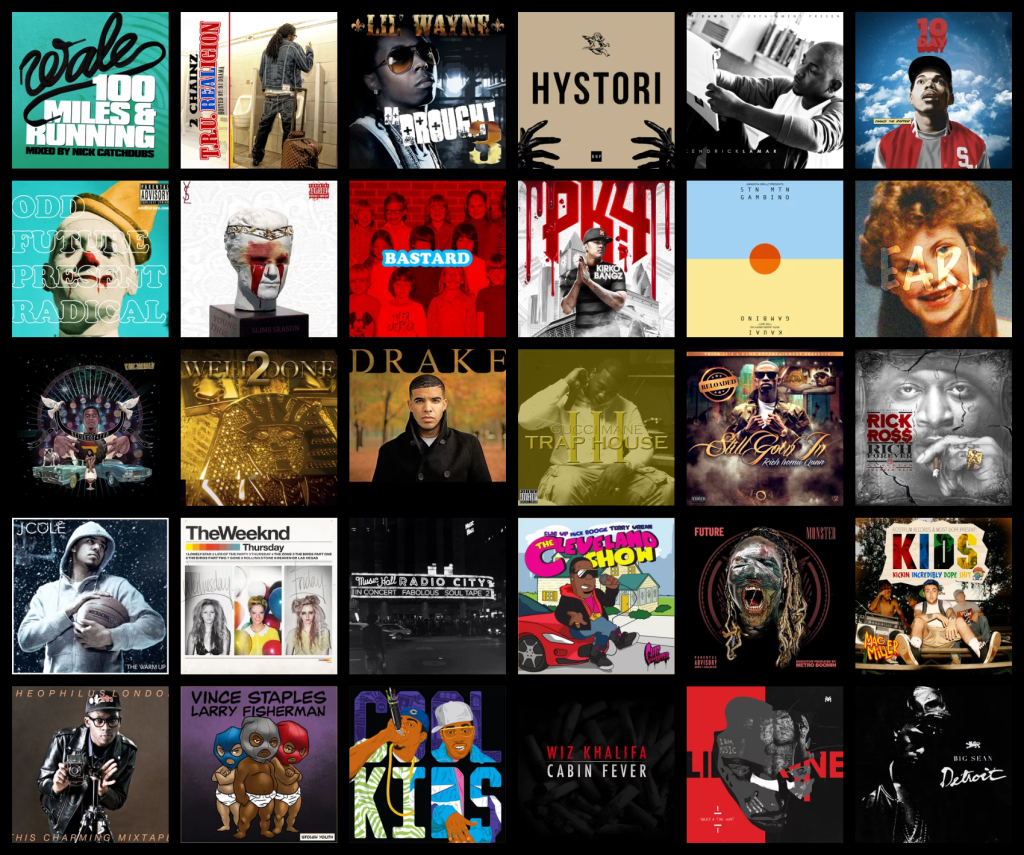
From around 2008 to 2014, my musical education was channeled through John from the mixtapes we downloaded at the time. What started with Lil Wayne gravitated to our first exposures of Drake, Odd Future, Chance the Rapper, and ASAP Rocky. The first time I heard of Kendrick Lamar, John showed me an unofficial Kendrick mixtape he downloaded before class during our senior year of high school. Conversations of “you gotta listen to this”, “you gotta hear this” were an everyday occurrence and drove us to basement dwellings after school so we could get to Datpiff and shape our current and future musical tastes.
Before streaming made millions of albums and songs accessible for a $12 monthly subscription, millennials of a certain age became music lovers through digital file-sharing, downloading MP3s on sites such as Limewire and Zshare, sharing with friends, similar to trading baseball cards. If you were willing to navigate the potential risk of computer viruses, you could get a trove of records by spending an afternoon in your family’s basement downloading MP3s.
John would tell me about the latest tracks he pulled from Datpiff. I would be overwhelmed initially, cause I thought these mixtapes weren’t official. Is this real? Why should I care? It was the Wild West. Mixtapes let us get a feel of what rappers could do on others’ production. No rules, no label decisions, just the lyrics over instrumentals.
Listening to Lil Wayne and Kendrick over our iPods was the time when we got to be ourselves. We expressed what we liked and constructed a deeper connection with music through the links and files we came across. John and created this bond based on sharing and laughing about music we loved or hated.
My exploration of music with John was not a new experience, but a good start in how I engaged with friends and even family. The inspired discovery of music came from hanging out with my cousins, circa 2007-2009. One cousin, Ryan, had the Zune player, but there was a trove of music in his collection from Wiz, to Kanye, to Jay-Z. Every time, I would go over to my cousin’s for graduations or holiday parties. I would bring over a small flash drive in my pocket and further my music education.
I would then bring back my flash drives to my house and, later, to John’s, who was big into Limewire, downloading everything from Michael Jackson to Linkin Park before sweatily clicking out of links before running the risk of a computer virus. We joked about how we were able to find music online for free at any cost.
Rap in the late 2000s and early 2010s was very driven by community-supported blogs tracking the latest mixtapes and tracking up-and-coming rappers and artists. A lot of artists were releasing their music for free, often rapping on instrumentals of popular radio songs. My friends and I were figuring out our music identity, as wide-eyed freshmen in high school in the era of Katy Perry and Lady Gaga.
John, who was initially a middle-school acquaintance, but we had spent the last few years hanging out in the neighborhood. His older brother had a Classic Black iPod Touch he got to borrow from time to time, and we would listen to music on the bus, sparking our early music conversations
Fall 2009, in our Sophomore year of high school, we discovered through other classmates how easily accessible free rap mixtapes can be found online. We were already big into Kanye and Drake, and every time we met up, it became a ritual to shoot the breeze and fire up the laptop to scan the web for rap music.
The time spent downloading music, searching for songs built a friendship that lasted years. Sure, we gathered music that lasted a semester, we downloaded and talked about the latest Lil Wayne and Drake songs, though we cultivated a bond that grew from the banality of growing our music tastes. Simply chilling on old couches in ground-level basements, climbing up the stairs intermittently to grab food and drinks.
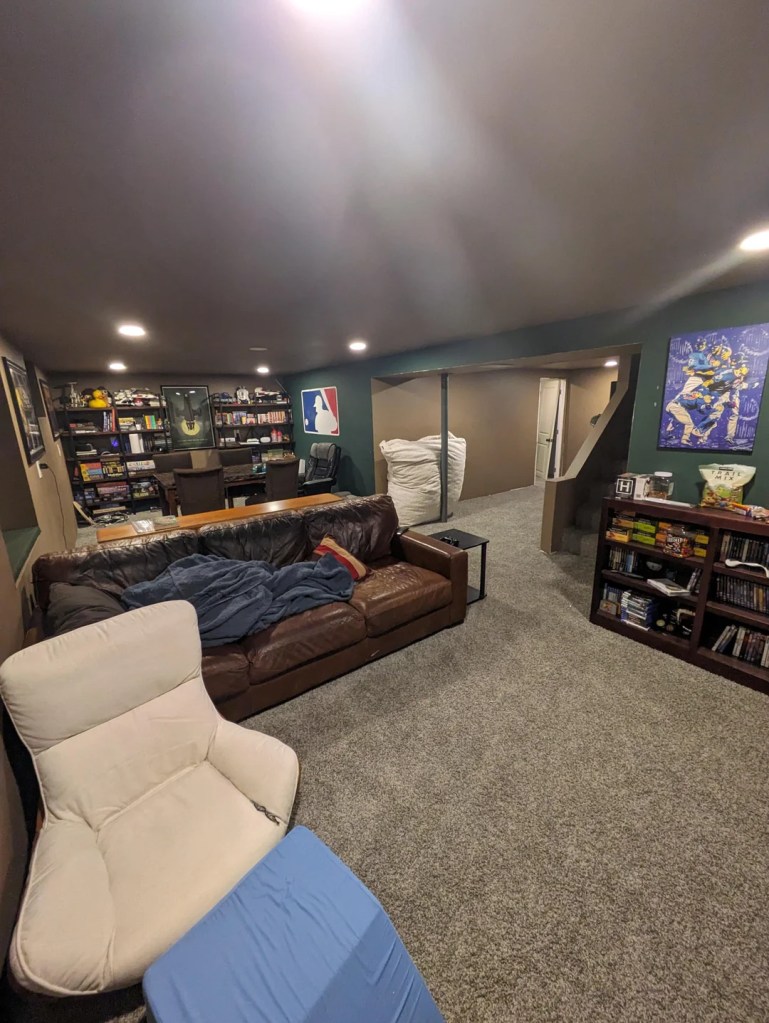
We shared what was going on day to day with school, friends, and family, while exchanging MP3s. John told me about his love for hip-hop dancing, and I told him about my budding music mind, not only from downloading MP3s but gathering CDs from the public library. We shared barbs from YouTube videos, we comforted each other on tough days, all from starting off exchanging the latest Kid Cudi or Wiz Khalifa freestyles.
In our basements, John told me about the breakdancing videos he was watching, from krumping to c-walking. He told me he’s been practicing dance moves and wanted to do hip-hop dancing full-time. By the end of high school, John was repping the school’s breakdancing dance team. My love for rap and music grew at this time, fueled by dreams of wanting to write about music in some capacity, and I told John about wanting an outlet to write.
In between songs, we shared struggles and disappointments with crushes, bad prom dates, but we let the music guide us in between to know that things will be all right.
As we went off to separate colleges, our time listening, and downloading mixtapes lessened, but every time we met up, we also carved out time to talk about what music we were listening to. In fact, on weekends and summers off from college, we stayed in our basements looking for MP3s and catching up. As we got older, in our college days, the exercise of moving MP3s to flash drives to add music to our iPhones now felt laborious. Though this gave us considerable time to catch up, we talked about what had been going on in our lives.
Over time, with the proliferation of streaming, we spent less time searching and downloading mixtapes. Our iPods gave way to convenient streaming apps on our iPhones, with songs being just a click away on YouTube, Apple Music, or Spotify. The communal spirit of “downloading music” wasn’t there, but the friendship continued.
The time peering over tracklists and editing MP3 titles in iTunes, sitting around the computer, got replaced with all the albums conveniently in our pockets. With time, the communal sharing of music persisted, but we continued having conversations on hopes and passions we wanted as we grew older, as we started holding 9-to-5s.
We still called each other about everything and nothing. We listened to what was going on in our lives. We supported each other from afar, as best we could, and we still met up every chance we could to chill, laugh, and talk about music.
By the mid to late 2010s, the DatPiff links and MP3s gave way to the streaming behemoths we take for granted today. Spotify and Apple Music are great for playing a song that quickly gets stuck in your head, but it will never hold the same weight as putting MP3s in your iPod or iTunes, changing the cover art, or adding lyrics to your MP3 file in iTunes.
Mixtapes and albums by the rappers we listened to eventually made their way on streaming. John and I would share the links when an announcement was made online, but it was truly never the same. Some songs could never get the full sample clearance for using uncleared instrumentals, and the streaming version sounded vastly different. The producer and DJ tag shoutouts were scrubbed; it was listening to a sanitized version of something I once knew. One can hear this in Wiz Khalifa’s endearing The Trill on streaming compared to listening to the same track on the original ready to ready-to-download 2010 mixtape.
John and I still shared music when we met up, catching up, we both drove around the suburbs, but it’s was never the same outside the basements. We both got busy. We still caught up, but never in our basements. By the time the pandemic took hold, the sharing of MP3s and USBs was long gone. We all became streaming consumers. The listening was there, but the joy of sharing the tracks with others became solitary. There is no going back to what once was.
By Spring 2023, Datpiff, as a website, went offline. A 15-year archive and library of music, launching careers and a trove of fans, was gone. Of course, all the mixtapes one could find pretty easily on YouTube or on other sites, but the site that established John and I’s friendship disappeared. The changes in how we listen and consume music made DatPiff a casualty.
John and I still talked and shared music, but the friendship dramatically changed during and after the pandemic. Changes in our relationships, priorities, and responsibilities caused tensions in our friendship that proved to be irreparable. No Wayne, Kanye, or Drake song could soundtrack what happened, or lyrics to mend what was broken beyond repair.
The loss of John marks the end of an era in my life. John’s presence was a time spent in our basements in a time of discovery. Expanding my musical universe and fandom in so many ways. I grew as a friend to be supportive and hold space.
On days, I come across a Weeknd song or a Lil Wayne song, I acknowledge there is no discussion of a new album or news that would bring John back in my life as a friend.
When I reflect on this era of my life, I grew as a hip-hop lover and fan as I cultivated a bond of support with a friend, and for that, I am grateful to John for that time in my life. Today, there are opportunities to share that love of music and hip-hop with others in my life by sharing songs and growing as a better friend in soundtracking intentional time spent with others.
The next time I hear The Weeknd and Lil Wayne out in the wild, I remember the time spent with John, and what we lost and what was left behind. Our friendship was defined in an era surrounded by amazing artists starting their careers, we learned from sharing MP3s on basement couches. The soundtrack of time is the only thing that remained, but it crafted my love of friends and rap for years to come.

 The Typecaster